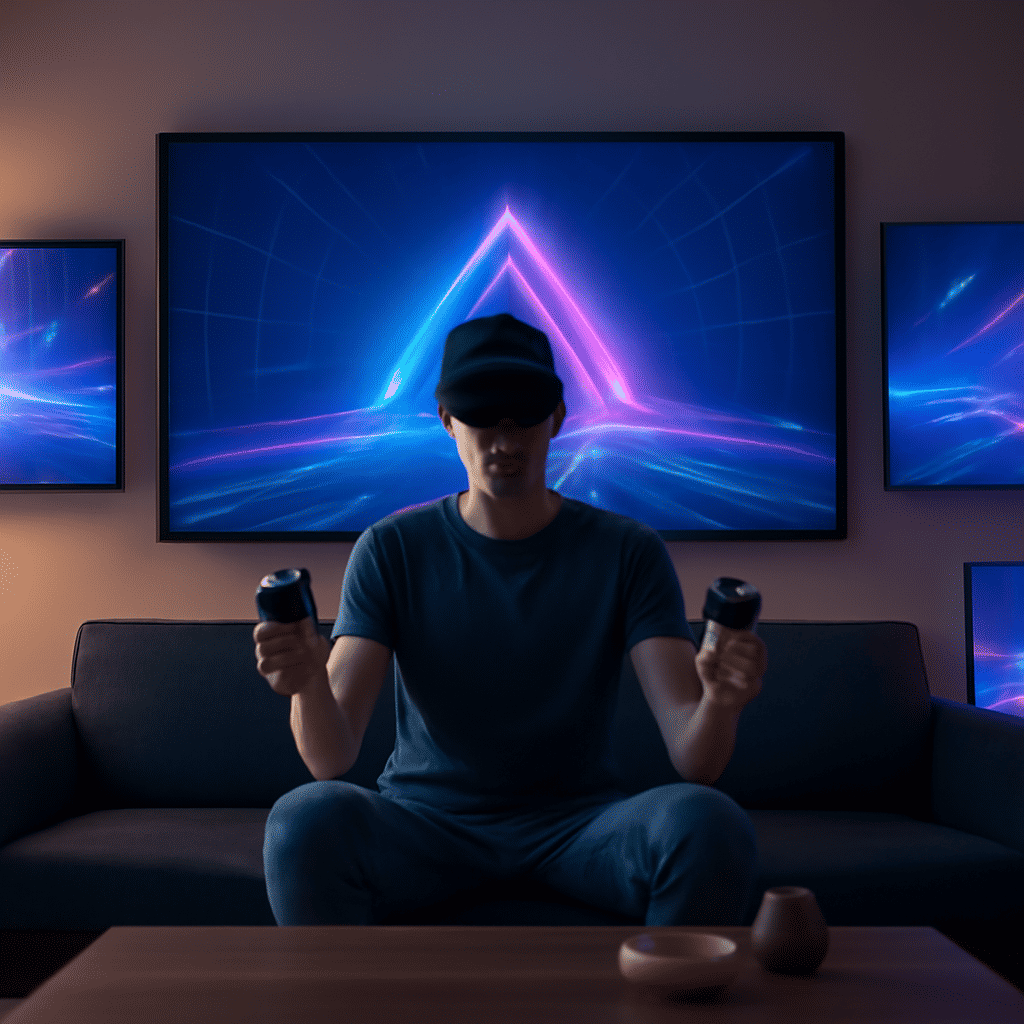
VR Gaming Taking Over?
Virtual Reality (VR) gaming has come a long way from its rudimentary beginnings, transforming the landscape of digital entertainment and leaving an indelible mark on how players interact with their favorite games. As technology continues to evolve, VR's immersive experiences are captivating an ever-growing audience, leading to a surge in popularity and developments within the industry.
One of the most significant VR advancements captivating players this year is the improvement in hardware. Headsets are becoming more comfortable, feature-rich, and affordable, making VR accessible to a broader audience. The latest models boast higher resolution displays, better field of view, and improved tracking systems, allowing for a more lifelike interaction with virtual environments. The decrease in motion sickness, thanks to refined frame rates and latency reduction, has also made prolonged gameplay much more enjoyable.
Moreover, the development of standalone VR systems has eliminated the need for powerful PCs or gaming consoles. Devices like Oculus Quest 2 offer a cable-free experience without compromising on performance or quality. This level of convenience has contributed significantly to the widespread adoption of VR gaming, allowing players to engage in immersive experiences with minimal setup.
In tandem with hardware improvements, VR game development has taken major strides forward. Game developers are embracing the unique possibilities that VR presents, crafting experiences that go beyond traditional gaming paradigms. From in-depth storytelling to realistic simulations, VR games are offering unprecedented levels of immersion. Titles like "Half-Life: Alyx" and "Beat Saber" showcase the potential of VR to create compelling and engaging content, appealing to both casual gamers and hardcore enthusiasts alike.
Additionally, the integration of haptic feedback and wearable technology is adding another layer of realism to VR gaming. These innovations allow players to feel physical sensations, such as the recoil of a gun or the impact of a punch, further blurring the line between virtual and reality. VR gloves, suits, and treadmills are enabling players to interact with the virtual world in tactile and intuitive ways, pushing the boundaries of gaming experiences.
Social interaction in VR has also seen significant advancements, with virtual environments allowing players to connect, collaborate, and compete with others across the globe. Platforms such as VRChat and AltspaceVR are fostering vibrant communities where users can create and explore user-generated spaces, attend virtual events, and build connections with like-minded individuals. The sense of presence and camaraderie in these virtual worlds is redefining social gaming.
Beyond entertainment, VR is rapidly expanding into other sectors, including education, training, and healthcare. For example, VR simulations are being used to train medical professionals, providing realistic scenarios to hone their skills without risk. In education, VR enables students to explore history, science, and art in an interactive way, augmenting traditional learning methods.
In conclusion, VR gaming is not just a fleeting trend but a significant movement reshaping how we play and experience games. With ongoing advancements in technology, game development, and peripheral integration, VR is set to become an integral part of the gaming ecosystem. As VR continues to break new ground, it promises a future where the boundaries between virtual and reality are nearly indistinguishable, offering limitless possibilities for gamers around the world.